
Family Devotion
Centering on Bible characters is a meaningful way to engage children in learning about faith while reinforcing key lessons through activities.
By incorporating storytelling, discussion, and hands-on activities, families can create a nurturing environment where faith is explored and practiced together.
By incorporating storytelling, discussion, and hands-on activities, families can create a nurturing environment where faith is explored and practiced together.

Abraham
Genesis 12-22
Abraham’s story teaches us about faith, obedience, and God’s faithfulness. Despite facing challenges and waiting many years, Abraham trusted God’s promises. God kept His word, blessing Abraham with a son and making him the father of many nations.

Adam
Genesis 1-5
Adam is the first human created by God according to the Bible, specifically in the Book of Genesis chapters 1-5. He was formed from the dust of the ground, and God breathed into him the breath of life, making him a living being. Adam was placed in the Garden of Eden as the first man, instructed not to eat from the tree of knowledge of good and evil; he is also the first to sin by disobeying God’s command, leading to the fall of man and the introduction of sin and death into the world.
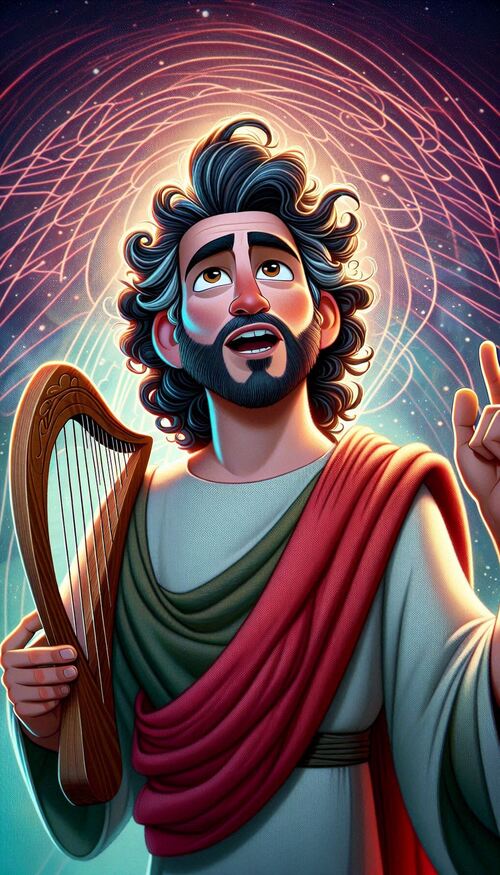
Asaph
Psalm 50, 73-83
Asaph in the Bible is primarily known as a Levite musician, seer, and psalmist during the time of King David. He was appointed by David to be one of the chief musicians responsible for worship in the tabernacle and is credited with authoring several Psalms, including Psalm 50 and Psalms 73 to 83, which often express themes of faith, justice, and wrestling with the realities of life. Asaph served through the reigns of David and Solomon, was seen as a prophetic figure, and led a guild of temple musicians known as the Asaphites.
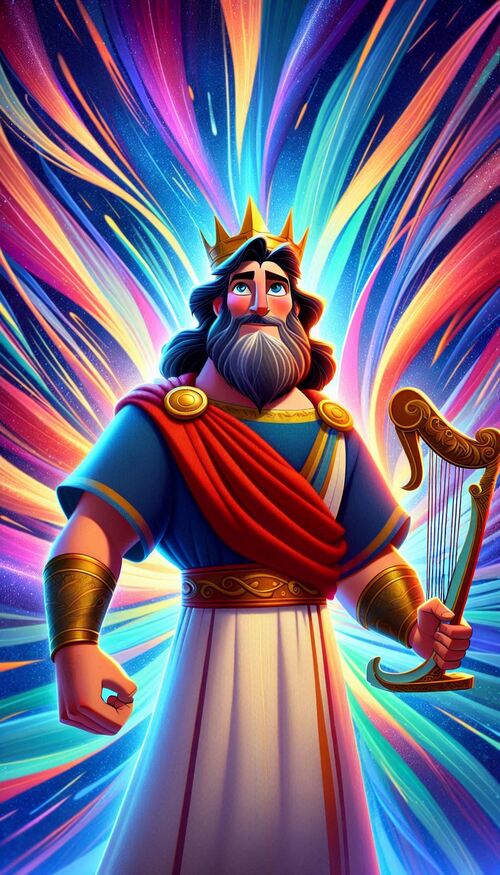
King David
1 Samuel 16-17
King David, the second king of Israel, reigned from around 1010 to 970 B.C. and is renowned for uniting the twelve tribes of Israel and establishing Jerusalem as the political and religious capital by capturing it from the Jebusites. He was a warrior king who secured many military victories over the Philistines, Moabites, Ammonites, Edomites, and other neighboring peoples, greatly expanding and solidifying Israel’s borders. David also brought the Ark of the Covenant to Jerusalem, planned for the construction of the Temple (which his son Solomon later built), and is credited with composing many of the Psalms; despite personal and family struggles, he is remembered as "a man after God's own heart" and the ancestor of Jesus the Messiah.

Eve
Genesis 1-2
Eve is the first woman created by God according to the Bible, specifically in the Book of Genesis. She was created from one of Adam's ribs to be his companion and helper, and she is called "the mother of all living" because she is traditionally considered the first woman and ancestor of all humanity. Eve lived initially in the Garden of Eden but, following the temptation by the serpent and eating the forbidden fruit, she and Adam were expelled from the garden, marking the beginning of human sin and mortality.

Hannah
1 Samuel 1-2
Hannah is a biblical figure known as the mother of the prophet Samuel. She was one of the two wives of Elkanah but was initially childless, which caused her great distress. Hannah prayed earnestly to God for a son, promising to dedicate him to the Lord's service, and after God granted her prayer, she gave birth to Samuel and fulfilled her vow by bringing him to the temple at Shiloh to be raised under the priest Eli's care. Hannah is also recognized as a prophetess and is remembered for her heartfelt prayer of praise and thanksgiving recorded in 1 Samuel 2.

Joshua
The book of Joshua
Joshua was the appointed leader of the Israelites after the death of Moses, tasked with leading the people into the Promised Land of Canaan. Known as a courageous and faithful military leader, Joshua led the Israelites across the Jordan River, oversaw the miraculous fall of Jericho, and directed the conquest and division of the land among the twelve tribes of Israel. His story is told in the biblical Book of Joshua, and he is often seen as a spiritual and military successor to Moses, exemplifying obedience to God's commands and reliance on divine guidance.
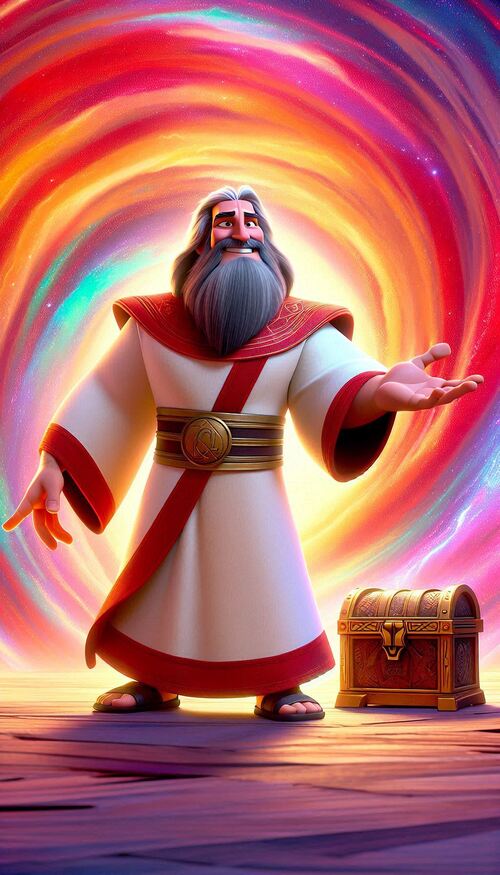
Melchizedek
Genesis 14:18-20
Melchizedek is a mysterious and significant biblical figure described as both the king of Salem (ancient Jerusalem) and a priest of the Most High God. He appears suddenly in Genesis 14, where he blesses Abraham and receives tithes from him after Abraham’s victory in battle. Melchizedek’s dual role as king and priest is unusual and symbolic; in the New Testament, particularly in the book of Hebrews, he is seen as a type or foreshadowing of Jesus Christ, who holds an eternal priesthood "after the order of Melchizedek," combining royal and priestly offices in a way that surpasses the traditional Levitical priesthood.

Rachel
Genesis 29
Eve is the first woman created by God according to the Bible, specifically in the Book of Genesis. She was created from one of Adam's ribs to be his companion and helper, and she is called "the mother of all living" because she is traditionally considered the first woman and ancestor of all humanity. Eve lived initially in the Garden of Eden but, following the temptation by the serpent and eating the forbidden fruit, she and Adam were expelled from the garden, marking the beginning of human sin and mortality.

Noah
Genesis 6:11–9:19
Hannah is a biblical figure known as the mother of the prophet Samuel. She was one of the two wives of Elkanah but was initially childless, which caused her great distress. Hannah prayed earnestly to God for a son, promising to dedicate him to the Lord's service, and after God granted her prayer, she gave birth to Samuel and fulfilled her vow by bringing him to the temple at Shiloh to be raised under the priest Eli's care. Hannah is also recognized as a prophetess and is remembered for her heartfelt prayer of praise and thanksgiving recorded in 1 Samuel 2.
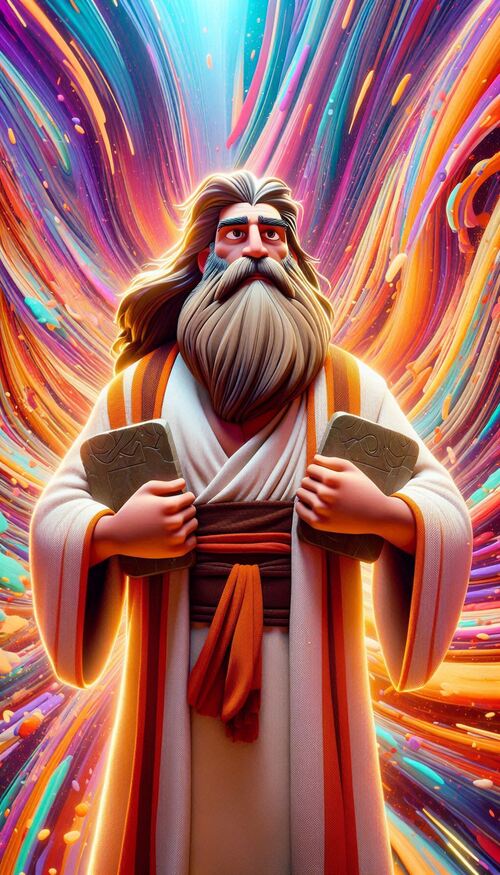
Moses
Exodus 2-34
Joshua was the appointed leader of the Israelites after the death of Moses, tasked with leading the people into the Promised Land of Canaan. Known as a courageous and faithful military leader, Joshua led the Israelites across the Jordan River, oversaw the miraculous fall of Jericho, and directed the conquest and division of the land among the twelve tribes of Israel. His story is told in the biblical Book of Joshua, and he is often seen as a spiritual and military successor to Moses, exemplifying obedience to God's commands and reliance on divine guidance.
Elijah
1 Kings 17–19 and 2 Kings 1–2
Melchizedek is a mysterious and significant biblical figure described as both the king of Salem (ancient Jerusalem) and a priest of the Most High God. He appears suddenly in Genesis 14, where he blesses Abraham and receives tithes from him after Abraham’s victory in battle. Melchizedek’s dual role as king and priest is unusual and symbolic; in the New Testament, particularly in the book of Hebrews, he is seen as a type or foreshadowing of Jesus Christ, who holds an eternal priesthood "after the order of Melchizedek," combining royal and priestly offices in a way that surpasses the traditional Levitical priesthood.